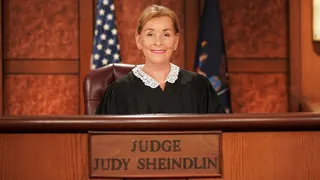
‘Judge Judy,’ ‘Hot Bench’ Renewed for 2 More Years
Syndicated court leaders picked up on CBS, Fox, Sinclair, Nexstar and other station groups

President Mike Cavanagh got $29.6 million

Channel will feature match highlights, soccer legends

Cord-cutting results in 392,000 fewer pay TV customers

YouTube had its best growth quarter in more than two years as connected TV viewing explodes

PSAs take viewers to NextGen America website
President Mike Cavanagh got $29.6 million
Cord-cutting results in 392,000 fewer pay TV customers
YouTube had its best growth quarter in more than two years as connected TV viewing explodes
PSAs take viewers to NextGen America website

AT&T CEO John Stankey positions FWA service as a useful tool for businesses to deliver connectivity in wireline-bereft places

20-year Disney veteran, who oversees Disney Plus, Hulu and ESPN Plus, says he’s switching jobs this summer to spend more time with his family

Deployment of BYOD scheme will begin with 60 North America IHS Hotel & Resort locations, allows guests to port their own streaming services from their iPhone or iPad to their room's native LG smart TV

Awards are judged on innovation, feature set, cost efficiency and performance in serving the media & entertainment companies