(Re)Building Winning TV Stations at NBC
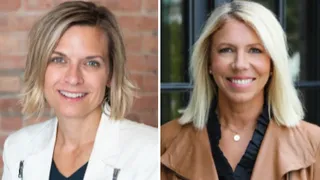
Valari Staab is up for the challenge of turning around owned group
By Michael Malone -- Broadcasting & Cable, 10/31/2011 12:01:00 AM
NBCUniversal Makes Major Commitment to Stations
NBCUniversal is investing heavily in
the NBC owned station group with
130 new hires, new investigative/
consumer units at five stations, 15
new vehicles and 1,200 additional
hours of local news a year on the
stations’ primary channels. New
newscasts include noon programs
in Los Angeles, San Diego and
Chicago, weekend morning shows
in Miami and the 5 p.m. newscast
that WNBC New York debuted
last month.
The investment also includes new sets and/or studios at four stations, new cameras and increased helicopter coverage. Notably, NBC is restoring promotions departments at all 10 stations, which had been centralized by GE’s budget-minded management.
“We want our stations to enterprise stories and truly produce differentiated, high-quality local news content, and we want them to make it available to our audiences in as many ways as possible—on TV, online and on the go,” says Valari Staab, station group president. “With these investments, our stations will be even better equipped to serve their markets.” —MM
The investment also includes new sets and/or studios at four stations, new cameras and increased helicopter coverage. Notably, NBC is restoring promotions departments at all 10 stations, which had been centralized by GE’s budget-minded management.
“We want our stations to enterprise stories and truly produce differentiated, high-quality local news content, and we want them to make it available to our audiences in as many ways as possible—on TV, online and on the go,” says Valari Staab, station group president. “With these investments, our stations will be even better equipped to serve their markets.” —MM
A monitor on Staabâs office wall at 30 Rock airs the feeds from all 10 owned stations. She has the resources needed to engineer their turnaround, and has a strategy as well. Staab spoke with Michael Malone, B&C deputy editor, about that plan. An edited transcript follows.
How would you describe the state of the group when you arrived?
A lot of the stationsâ resources had been greatly diminished, especially in their newsrooms. There was a lot of focus on new initiatives that were great, but I think they had drained even more resources from the core businesses. There were priorities that needed shifting and areas that needed more resources.
Tell me how the discussion went with your managers about getting this investment.
The great thing is, [NBCUniversal CEO] Steve Burke completely understands our business. [NBC Broadcasting Chairman] Ted Harbert, having seen the ABC owned group all these years, understands the value of a strong group of owned stations that hold up the network through good times and bad. They absolutely wanted to make that commitment.
Whatâs a realistic goal for the stations?
I want to focus on fixing the easy things first. I want the stations to look better and have promotions and marketing in a better place, graphics, sets, lighting, talent coachingâthose should be in place by the Super Bowl [airing on NBC next Feb. 5]. Thatâs an opportunity for a lot people to look at the product that may not have seen it in a long time.
The second goal is the Summer Olympicsâto have the newsrooms breaking new stories, investigative and consumer units doing better jobs covering entire markets, those kinds of goals in place by the Olympics [beginning next July 27].
Overall, itâs three to five years. These stations didnât get where they are in six months, and theyâre not getting back in six months. I think everybodyâ Ted, Steve and Iâare realistic in that no one thinks weâll wake up tomorrow and be winning in all our markets.

I try to be very clear about what we are and the direction I want people to go. We are television stations. We are local television stations. I know a lot of people interpreted that as us going backwards on digital initiatives, and I donât feel that at all. I wanted people to, one, be proud that we own local stations, that it [wasnât to] be seen as a negative. But also to understand that everything we put across any digital platform comes from those stations. I just wanted to shift the focus back to the stations.
I also wanted to make the point that theyâre owned but not operated by the network. We are operating them as a separate division in the local markets. We love the network, but this is a group that is under its own operation.
[ABC station group president] Rebecca Campbell says the same thing about ABCâs stations being locally operated. Did that come from ABC?
Itâs the way we were raised. When I joined it was Cap Cities, then it became ABC, it was very important to [Cap Cities Chairman] Tom [Murphy] and [former Cap Cities CEO Dan Burke] that everybody understood the network didnât operate stationsâ the stations are a stand-alone group. Ninety percent of the time, whatâs good for the network is good for a station. But that 10% can be very important. Stations need to have a voice to say, in this particular instance, in this particular community, whatâs right for the network is not right for the station.
What was your overarching message when visiting the stations?
A lot of the television stations had people who had been there when the station was much stronger. I want them to remember what it was to be No. 1 or a strong No. 2 in their market, think about all the things they did then that they werenât doing now, and not make excuses for things being mediocre. I said, weâre going to give you the resources, but at the end of the day youâre the people who have to carry it forward. So donât settle. You know whatâs right. You remember. You know what the right thing is to put on their air, so donât compromise. Push. I donât take âWe canât do that becauseâ¦â anymore. Stop yourself at the âbecauseâ and fi gure out how youâre going to do that now. Youâre going to have the resourcesâhow are you going to get it done?
A lot of what happened was, you try to fix something and it doesnât get fixed. After two or three times, you stop trying to fix it. I want to make sure we donât do that anymore. If something isnât right, letâs get together and figure out how to make it right.
I started in the traffic department at KLTV in Tyler, Texas. Iâve done so many jobs at a television station, from running camera on live sporting events to creative services to public affairs. A lot of their jobs I understand, and I think that really helped. It helped me in answering questions they have. Also, a big part of what I have to say to them is, I appreciate the years they have in the business. I think that the last several years have made people feel like their experience wasnât valuableâthat the newer, shinier Internet/ digital person was somehow more valuable to the company than they were. In our industry, people stay in their jobs a long timeâtheyâre great jobs, so people get them and stay in them a long time. I think they felt that was seen as a negative and I said no, itâs a positive. Weâre going to put that control back in your handsâyou know the market, you know what to do. Thereâs a value to that.
New group chiefs usually mean new general managers at the stations. Do you envision GM changes?
This group of people had done what they were tasked to do. Now theyâre tasked to do something different and theyâve been given the resources to do it. Iâm going to give them the opportunity to see what they can do.
What words come to mind to describe your first five months?
Busy comes to mind first [laughs]. Itâs been really busy, but itâs been really interesting. There are great people all throughout this company. Itâs been wildly interesting to get to know them and see how itâs set up and how itâs the same, how itâs different. Itâs been fun. This business should be fun. Weâre not in banking for a reasonâweâre in TV. Try some things, have some fun, and put the reason we all got into this business back into the stations.
How was morale when you first started visiting the stations?
I could tell they'd been through some incredibly tough years. At our town hall meeting people were very optimistic about Comcast and the new ownership. Overall, I think they felt good. They'd heard Comcast wanted to invest in the stations so I think they were optimistic, and looking forward to what I had to say about what we would do with the money.
By the time I left, the stations certainly were in a better place. It's exciting for them because they're adding people, they're getting live trucks, new sets, new graphics. People are excited-they're working hard and getting busy.
How involved is Steve Burke in your day to day? How often do you talk?
I talk to him fairly often. He's around a lot. He's very interested and he keeps up with it; sometimes he calls me, says, what's going on, what are you seeing? He's stayed very involved. It's great to have somebody at that level that really understands the business. The business is a lot different from network and cable.
Obviously Steve Burke has a ton on plate. Are the stations one of his priorities?
I do consider it one of his top priorities.
Who are your mentors?
Steve's dad, Dan Burke, and Tom Murphy--how much they taught me is hard to even quantify. [Note: Dan Burke passed away 10/26, after this interview.] I was in my 20s when I joined the company at WPVI. It was a key time in my career, and I learned from two of the best businessmen you could ever learn from. They were the best broadcasters--they just got broadcasting. It was an incredible gift to work under those managers.
Also Larry Pollack and Walter Liss, Dave Davis over at WABC. I came up in a really good solid group. Alan Nesbitt. Tom Kane...I had the privilege of working with some really good, talented broadcasters.
Why the decision to put promotions departments back at the local level, instead of being centralized in New York?
The biggest thing a station has to promote itself is its own air. There are so many elements involved with really promoting a station across every day that there's no way to do it anywhere else except at your own station. The volume of the work is just too big. Then topical promotion news does topical promo differently than a marketing focus promotions person does it. taken topical promotion into newsroom. Tough to ask a journalist, a person who sees everything in black and white or right wrong, who tells a story in a clear, straightforward way, then has to put some razzle dazzle to it to try and make it interesting. All needed to have people there and let the journalists produce the good quality news and let the marketing people sell the sizzle. Those people are hard to find, so we still have stations hiring promotions people.
KNTV San Francisco has merged its sports department with Comcast's local sports division. Any further plans to do that in NBC owned stations-Comcast RSN markets?
We want the stations to have control over their own destiny in each market and develop the relationships in their own ways. Relationship with KNTV and Comcast has worked well and it's given KNTV an astronomically huge sports department and really good reporting that they would not able to do on own. Other markets that have strong sports like our Washington station (WRC), the relationship will evolve into something different there. Eeach market will figure it out on their own.
Do you miss being based in a TV station?
I do. I love television stations but the nice thing is I can run upstairs when I visit and they tolerate me really well. I've been traveling so much that I've been in a station every week, one or two a week. I love when I go into stations. I don't want it be a big deal that I visit stations so I like that I've been around a lot of people who get to know me and walk up and talk to me. I think I can maintain a balance by just getting out and being at the stations. With 10 owned that's easy.
How do you think the stations did during Hurricane Irene?
We had four stations in the path of Irene coordinate all resources of the company against them-NBC News reporters, Weather Channel reporters, MSNBC reporters-and everyone talked so from Washington to Connecticut we had all these reporters at different locations and everybody went with whoever had something. Everyone's reporters were on each others' air. We could really be wherever the action was. The coverage was amazing.
In Hartford, everyone but four people spent the night at that station. Everybody at that station pitched in their coverage was so much better [than the competition's] it's not even funny. They killed it.
I'm proud all our stations. Brian Williams emailed Ted and I and asked if he could anchor the local station [WNBC]. When does that happen? I was thrilled. He's been wildly supportive since the day I walked in the door; he's thrilled that the stations are getting the resources and their news operations are coming back. No one is more excited than Brian, and it's been great for the troops to see that. Network Steve Capus has been supportive, and was hugely supportive during Irene. He said, this is a local story--what do you need? Everybody works together and we're just able to really have reporters everywhere up and down the coast.
Do you think it's a different vibe between the network and the owned stations now than it was before you got here?
Everyone tells me the network has been very supportive and what can I do help. I think they realize weak stations hurt them and strong stations will make all difference in the world to them. My experience has been that they are excited and really really help.
It's been fun to have all these positions to hire. It's been a while since people in our industry have a lot good jobs. I certainly see a lot people who want to come work these stations. Good, talented people.
E-mail comments to mmalone@nbmedia.com and follow him on Twitter: @BCMikeMalone
Talkback
No related content found.
Most Popular Pages
-
No Top Articles